

Special Feature
2024.04.11
デジタルは「嘘」じゃないと気付けた──nina初個展「AfterBirth」インタビュー
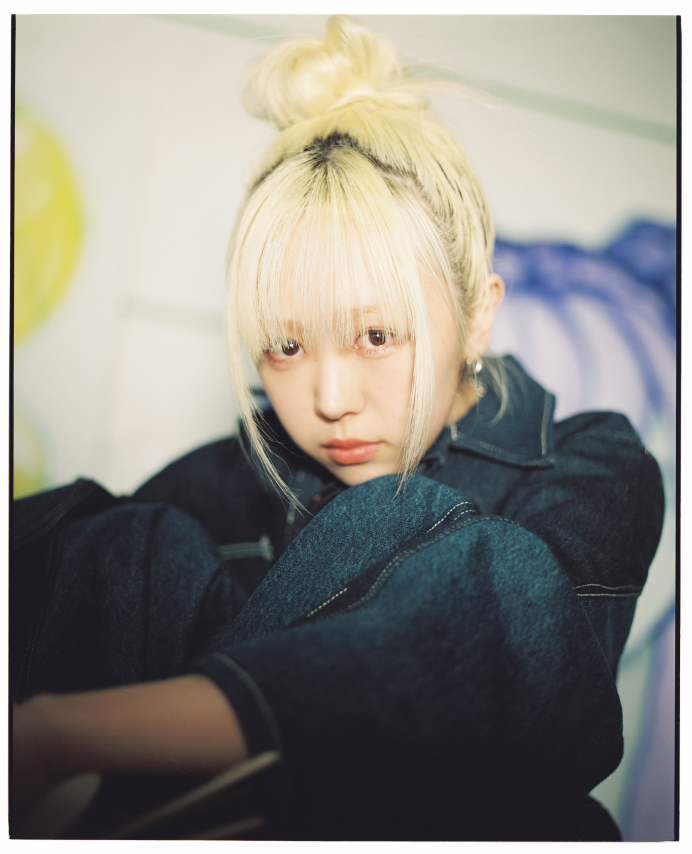
2024年3月、ninaの初個展「AfterBirth」が開催された。ヴァーチャルとリアル、情報と身体の間で揺れ動く人々の感覚を、独自の表現で追究してきたnina。デジタルを主戦場としてきた彼女は、本展で立体作品や油彩画といった新たな表現形式に挑戦している。デビュー6年目にして初の個展を開催することになった背景や、各作品に込められた思いについて、詳しく伺った。
「自然」への憧れと諦め
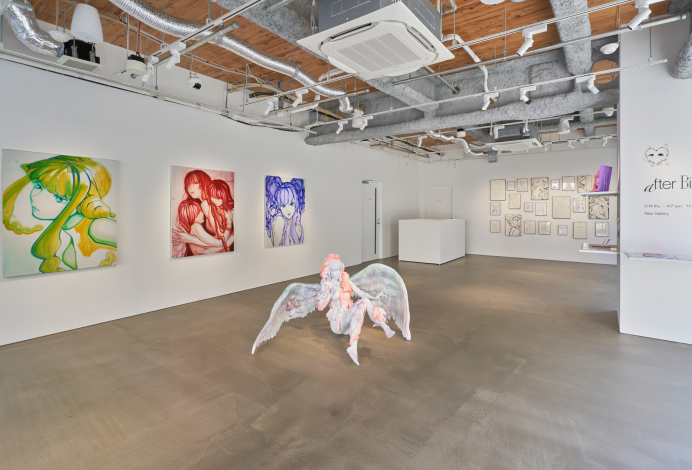
──初となる個展の開催、おめでとうございます。なぜ、このタイミングで個展を開催しようと思ったのでしょうか。
もともと、ずっと個展を開きたいとは思っていたんです。ただ、やっぱりお仕事が重なると難しくて。1年ほど前から、ようやく周りに「個展をやりたい」と伝えられるようになったんです。そんなタイミングでたまたまNew Galleryさんからお声がけいただけたので、「ぜひ一緒にやりましょう」とお返事しました。
──これまではイラストやアニメーションなど、デジタルな表現を中心に活動されてきたninaさんですが、今回は油彩に立体と、多様な表現に挑戦されていますね。
個展としてどういう方向性を目指すか、最初は迷いました。今までの活動をアーカイブ的にまとめていくのか、それとも新しいことに挑戦するのか……。でも、よく考えると、自分の作品は画面越しに見てもらうことを想定して作ったものがほとんどなんです。それをわざわざリアルな空間に展示することに、あまり意味を見出せないなと思って。それよりも、自分が本当にやりたくてまだ出来ていなかったこと、新しく挑戦したいことを突き詰めていきたいなと考えたんです。
──ステートメントでは、「身体を忘れたくない」という思いが語られていました。詳しく聞かせてください。
私はこれまでデジタルで絵を描いてきましたが、そのことにずっと違和感を持っていたんです。「嘘をついている」という感覚と言ったらいいのか……でも、なぜそう感じてしまうのかずっとわからなくて。個展をやることになったタイミングで、あらためてそこをじっくり掘り下げました。
そこで見えてきたのは、どうやら自分は「生き物としての自然なあり方」とか「ホモ・サピエンスとしての人間」みたいなものを「本当」だと思っているらしい、ということでした。だから、身体を伴わないデジタルな表現を「嘘」に感じてしまう。
でも一方で、自分自身は都会で生まれて、子どものころからコンピュータに囲まれながらデジタルで絵を描いてきた。この矛盾はなんなんだろうと。それが、「身体を忘れたくない」という思いに繋がったんだと思います。
デジタルと生身を往復するのが自分らしさ
──その違和感は解消されたのでしょうか。
個展で何を描こうか考えるなかで、いろいろな本を読んだり、動画を観たりして考えをまとめていき、徐々に自分のなかで受け入れられるようになっていきました。ビルに囲まれて、デジタルな表現をしてきたことだって、自分にとっては「自然」なわけですよね。逆に、これまで執着してきた「生身の自然」は、自分にとって必ずしもリアルなものではない。
──デジタルという「自然」が、自分のなかに組み込まれていると。
そう、そのことをちゃんと認めてあげる方が良いんだろうなと気付けたんです。デジタルと生身、そこを行き来するのが自分らしさなんだと。今までもたぶん、無自覚にそのバランスを取ろうとしていて、だからデジタルな表現に偏ると不安になっていた。でも今は、少なくともデジタルな表現を「嘘」だとは思っていない。現代を生きる自分にとっては、それは自然なことだから。
──デジタルと生身のバランスを意識的に取れるようになった結果、今回の展示ではフィジカルな表現が増えているということですか。
そうですね、油彩や立体は前から取り組んでみたいと思っていましたが、その理由がやっとわかったという感じです。
──ちなみに、何か手掛かりとなった本や作品などはありますか。
いろいろ見たんですが、一番大きかったのは、メディアアーティストの落合陽一さんが司会をされている「WEEKLY OCHIAI」という番組かもしれません。アーカイブをひたすら見漁っていて、特に先崎彰容さんがゲストに来た回は興味深かったです。
──「AfterBirth」というタイトルはどのように決まったのでしょうか。
デジタルとネイチャーの狭間を目指すというテーマは決まっていたものの、そこにぴったり当てはまる言葉が全然見つからなくて。何かいい言葉がないかなとスマホで医学事典をばーっとめくっていて、たまたま目に留まったのが「後産」という医学用語でした。意味としては、お産で赤ちゃんが出てきた直後に、その一部だった胎盤のかけらなどが母親の体内から出てくることを指すそうです。
この、「生まれる前は自分の一部だったものが、生まれた瞬間に別物として切り離されてしまう」というニュアンスが、今回のテーマにぴったりだなと思って、英語に直した「AfterBirth」をタイトルに据えました。
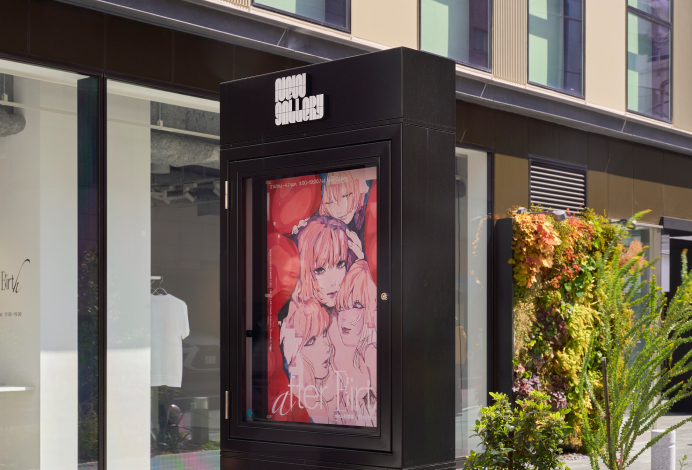
Exhibitions
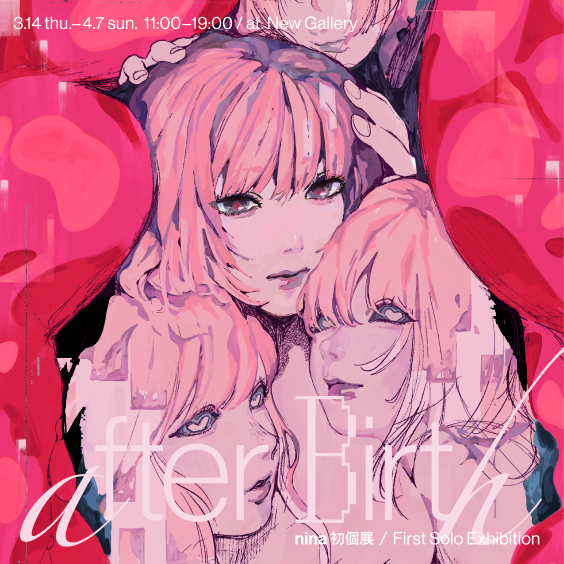
- nina 'AfterBirth'
- 2024.3.14 thu - 2024.4.7 sun
- Top
- Special Feature
- Digital is not a "lie" - an interview at nina's first solo exhibition "AfterBirth"
Special Feature
2024.04.11
Digital is not a "lie" - an interview at nina's first solo exhibition "AfterBirth"
In March 2024, nina held her first solo exhibition "AfterBirth". She has been exploring the sensations of people oscillating between the virtual and the real, and between information and the physical, through her unique expressions. Having focused on digital as her main battlefield, in this exhibition she has ventured into new forms of expression, including three-dimensional works and oil paintings. We asked her in detail about the background of her first solo exhibition in her sixth year since debut and the thoughts embedded in each piece.
Longing and resignation towards "nature"
—Congratulations on your first solo exhibition. Why did you decide to hold it at this time?
I've always wanted to have a solo exhibition. However, it was difficult with overlapping work commitments. About a year ago, I finally started telling people around me that I wanted to have one. Around that time, I happened to receive an invitation from New Gallery, and I replied, "Let's do it together."
—Until now, you have been mainly working with digital expressions like illustrations and animations, but this time you've ventured into oil painting and sculptures.
I was initially unsure about the direction for the exhibition. Whether to archive my past activities or to try something new... But then I realized that most of my works were designed to be viewed on screens, and it didn’t seem very meaningful to forcibly exhibit them in a physical space. Instead, I wanted to delve into things I really wanted to do and hadn't been able to do yet.
—In your statement, you mentioned, "I don't want to forget the body." Could you elaborate on that?
I've always felt a kind of discomfort drawing digitally, as if I was lying... But I couldn't understand why I felt that way. When the opportunity to hold an exhibition came, I took the time to explore this feeling deeply.
What became clear was that I seem to believe in "the natural way of being as a living creature" or "being human as Homo sapiens" as the "truth." That’s why expressions that don’t involve the body feel like "lies" to me.
However, I was born in the city and grew up surrounded by computers, drawing digitally. I wondered about this contradiction. That's what led to the feeling of "not wanting to forget the body."
Navigating between digital and physical as my own identity
—Has that feeling of discomfort resolved?
As I considered what to create for the exhibition, I read various books and watched videos, gradually coming to accept it. Being surrounded by buildings and expressing myself digitally is also "natural" for me. On the other hand, the "physical nature" I had been clinging to wasn't necessarily real for me.
—Recognizing that the "digital" is part of your nature...
Yes, I realized it’s better to acknowledge that. Moving between digital and physical expressions is what feels most like me. I've probably been unconsciously balancing this all along, and that's why I felt anxious when my work skewed too digital. But now, I no longer think of digital expressions as "lies." For me, living in the modern world, that's natural.
—As a result of consciously balancing digital and physical, does this exhibition feature more physical expressions?
Yes, I've always wanted to try oil painting and sculptures, and I finally understood why.
—Were there any books or works that inspired you?
I've seen many, but one significant influence might be the "WEEKLY OCHIAI" program hosted by media artist Yoichi Ochiai. I binge-watched the archives, especially the episode featuring guest Akinaka Senzaki was fascinating.
—How was the title "AfterBirth" decided?
The theme of navigating between digital and nature was set, but I couldn’t find the right word to fit. While flipping through a medical dictionary on my phone, I stumbled upon the term "afterbirth," which refers to parts of the placenta and such being expelled from the mother’s body after the baby is born. The nuance of something that was part of oneself being separated at the moment of birth perfectly matched the theme, so I translated it into English as "AfterBirth."
NEW
GALLERY
- Mail Magazine
- メールマガジンを登録していただくと、イベント情報・新着情報等をお届けします。
- Subscribe
- お問い合わせ
- 作品・ギャラリーについてのお問い合わせは
こちらのフォームよりお願いします。 - Contact Us
©2024 New Gallery
